
Give every visit useful context
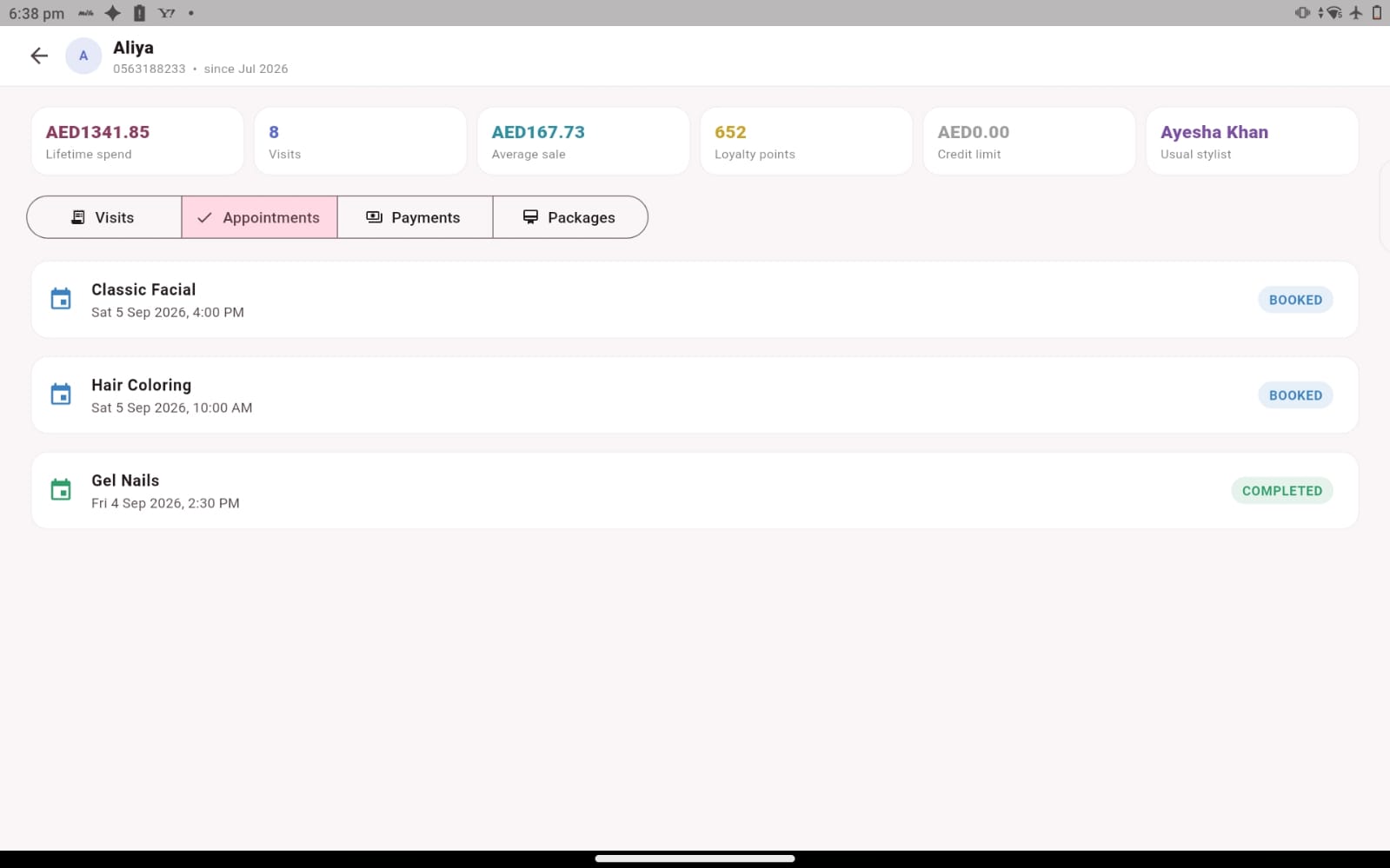
A returning customer should not have to rebuild the whole conversation each time they visit. A clear customer record gives your team somewhere to begin: previous appointments, spending history, loyalty information and the stylist the customer usually sees. Salozi brings these details into the customer workspace so reception and service conversations can start with a better understanding of the relationship.
The value comes from information your team can actually use. Before an appointment, review the relevant history rather than relying only on memory. At reception, confirm that you have opened the correct profile. When more than one customer has a similar name, a careful identification routine helps keep visits connected to the right person and avoids confusion later.
Build a consistent customer-record routine
Start with the way customer details enter your business. Decide who creates a profile, which information is needed for everyday work and who checks for an existing record before creating another. Consistency matters more than collecting a long list of details. A small team that follows the same routine can maintain more useful records than a larger team with no agreed approach.
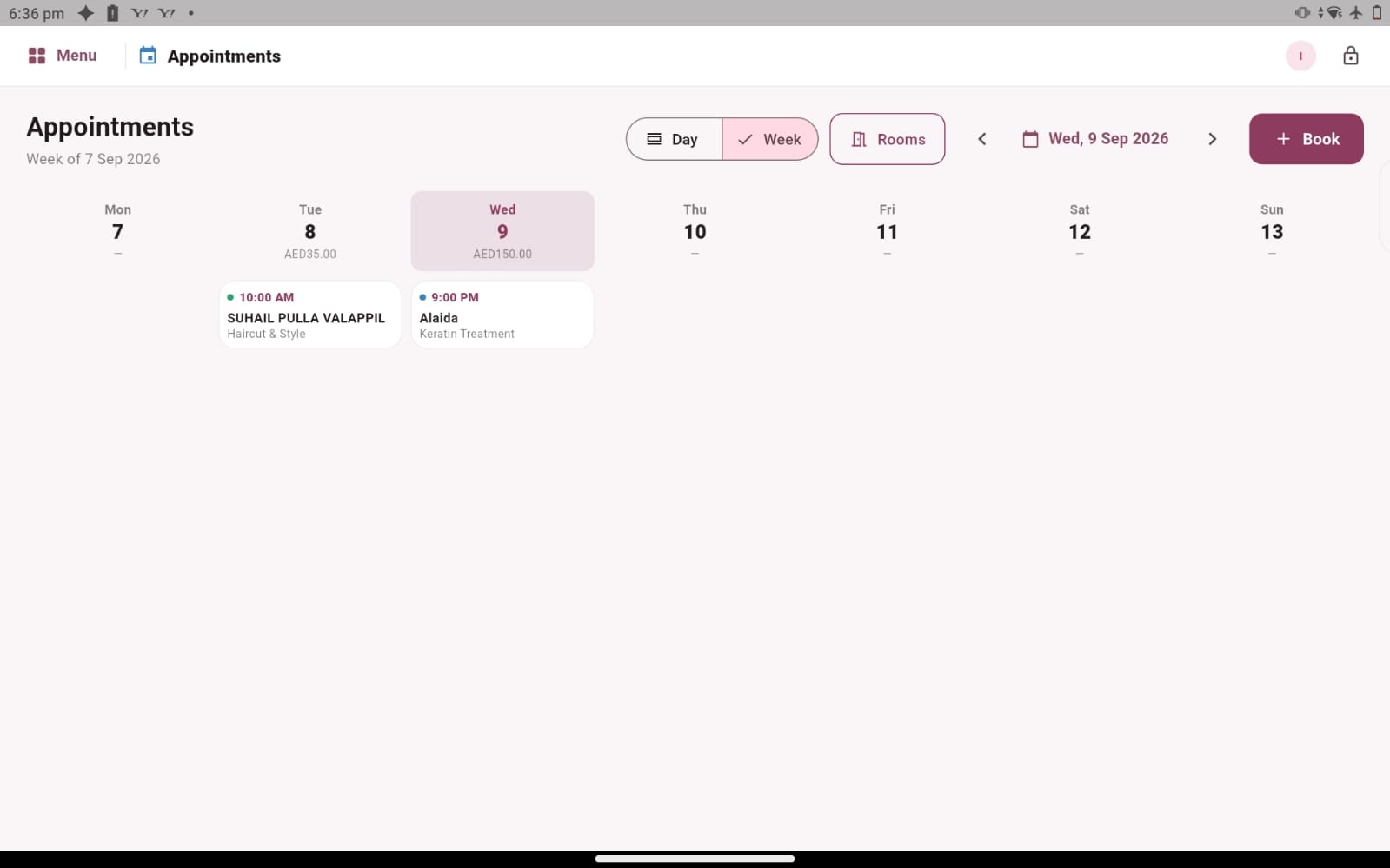
For example, a receptionist welcoming a returning hair client can review past appointments and the usual stylist before discussing the next visit. A nail studio can look at the customer’s visit pattern when arranging a follow-up conversation. These are practical uses of recorded history; they do not require the team to make assumptions about a customer’s preferences or needs.
Understand history, spending and loyalty together
Customer history and sales records answer different questions. Appointment information helps explain when someone visited, while spending and loyalty records add commercial context. Looking at them together can help your team understand the relationship more clearly. A customer who visits regularly for a smaller service may be important to your business in a different way from someone who books an occasional larger visit.
Use the information to support a relevant conversation rather than treating every customer the same. Ask about what they want next, explain any applicable loyalty arrangement clearly and check the recorded details before making a promise. During your demo, request a walkthrough of a customer profile with previous activity so you can judge whether the information is easy for your team to find.
Keep personal attention at the centre
A customer profile supports the conversation; it does not replace listening. Preferences can change, a usual stylist may be unavailable, or someone may be visiting for a different service. Confirm what the customer wants today even when you have a useful history available. This keeps the experience personal and avoids turning an old record into an assumption about the current visit.
If you have requirements for detailed treatment notes, consent forms, messaging campaigns or importing existing records, discuss them explicitly. The customer screens shown here demonstrate customer information, history and loyalty context. Ask which additional fields and transfer options are available for your proposed setup before planning a move from another system.
PRACTICAL QUESTIONS
Before you choose your software
How can we make customer records easier to maintain?
Agree a simple routine for finding an existing profile before adding a new one, checking key details with the customer and connecting the visit to the right record. Include reception staff in the demo so they can assess the everyday steps, not just the appearance of the screen.
Does a customer record automatically mean marketing messages are sent?
No. The records described here provide information for your team. Do not assume that storing a phone number sends a campaign or reminder. If customer messaging is part of your plans, ask about the available communication workflow separately and explain how your business obtains permission to contact customers.
Who should take part in a customer-record walkthrough?
Include someone who welcomes clients and someone who delivers the services. Reception may focus on finding the right profile quickly, while the service professional may care about the available visit context. Reviewing the same example together helps you decide which information is essential and how your team will maintain it consistently throughout the customer relationship.